Power exports, explained simply: Nepal earned Rs 29 billion selling electricity last year
Nepal sold 3.87 billion units of electricity to India and Bangladesh in fiscal year 2025/26. After paying for imports, it came out Rs 18.76 billion ahead.
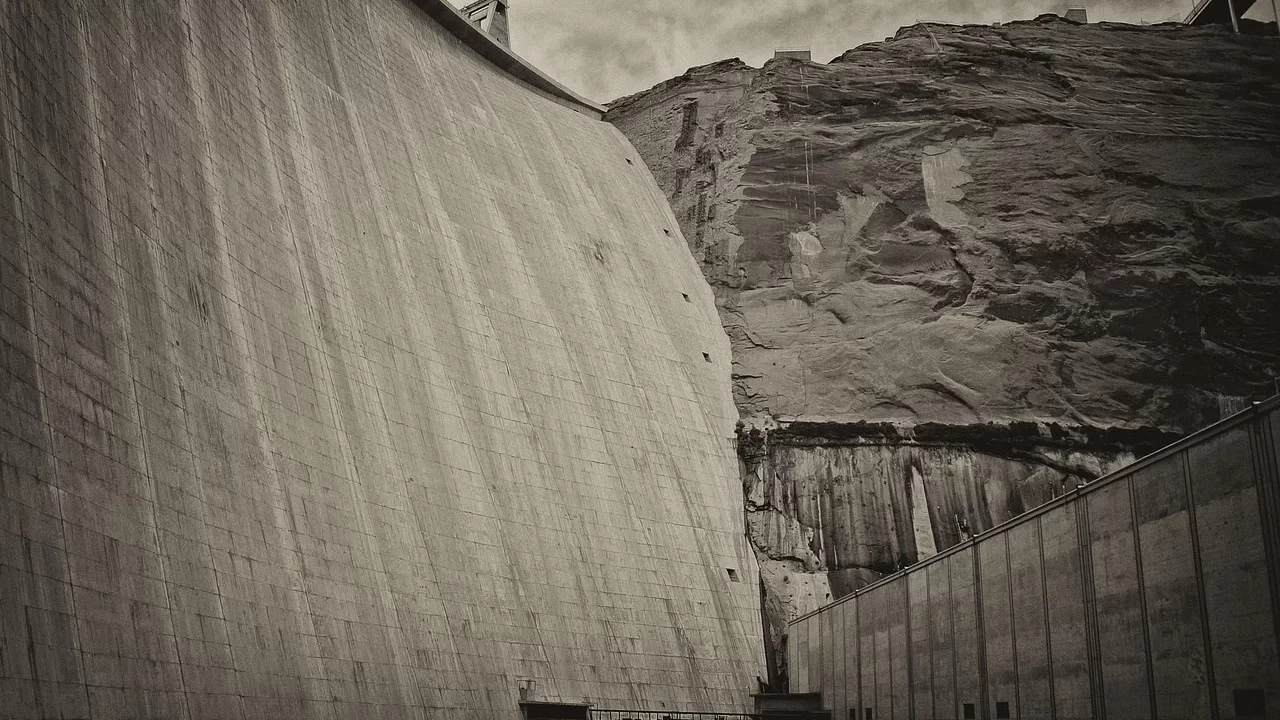
Nepal’s rivers have always been a source of pride. Increasingly, they are a source of income too.
The numbers in plain words
In fiscal year 2025/26, Nepal exported 3.87 billion units (kilowatt hours) of electricity to India and Bangladesh and earned Rs 29.32 billion. On average, each unit sold for about Rs 7.56.
Nepal still buys electricity in the dry months, when rivers run low. Last year it imported 1.14 billion units, which cost Rs 10.55 billion. Take that away and the country finished Rs 18.76 billion ahead.
Why we sell in summer and buy in winter
Most of Nepal’s power comes from run-of-river hydropower plants. In the monsoon, rivers are full and plants produce more than the country can use, so the extra is sold. In winter, flows drop while demand for heating and lighting rises, so Nepal imports to fill the gap. Storage projects that hold water for the dry season would help close that gap over time.
What is next
The budget for fiscal year 2026/27 plans to add 1,040 megawatts of new capacity, taking the national total to about 5,535 megawatts. More power means more to sell, but also more need for transmission lines to carry it across the border and around the country.
What it means for you
More export income helps the country’s foreign currency reserves and makes the energy sector more attractive to investors. For households, the long-term hope is fewer power cuts and more reliable supply for industries, which in turn means more jobs at home.
Spotted a mistake? Tell us and we will fix it.