How a few tea saplings from China turned Ilam into Nepal’s green jewel
Tea first went into the ground in Ilam in 1863. More than 160 years later, the rolling gardens of Nepal's far east are one of its most beautiful sights.
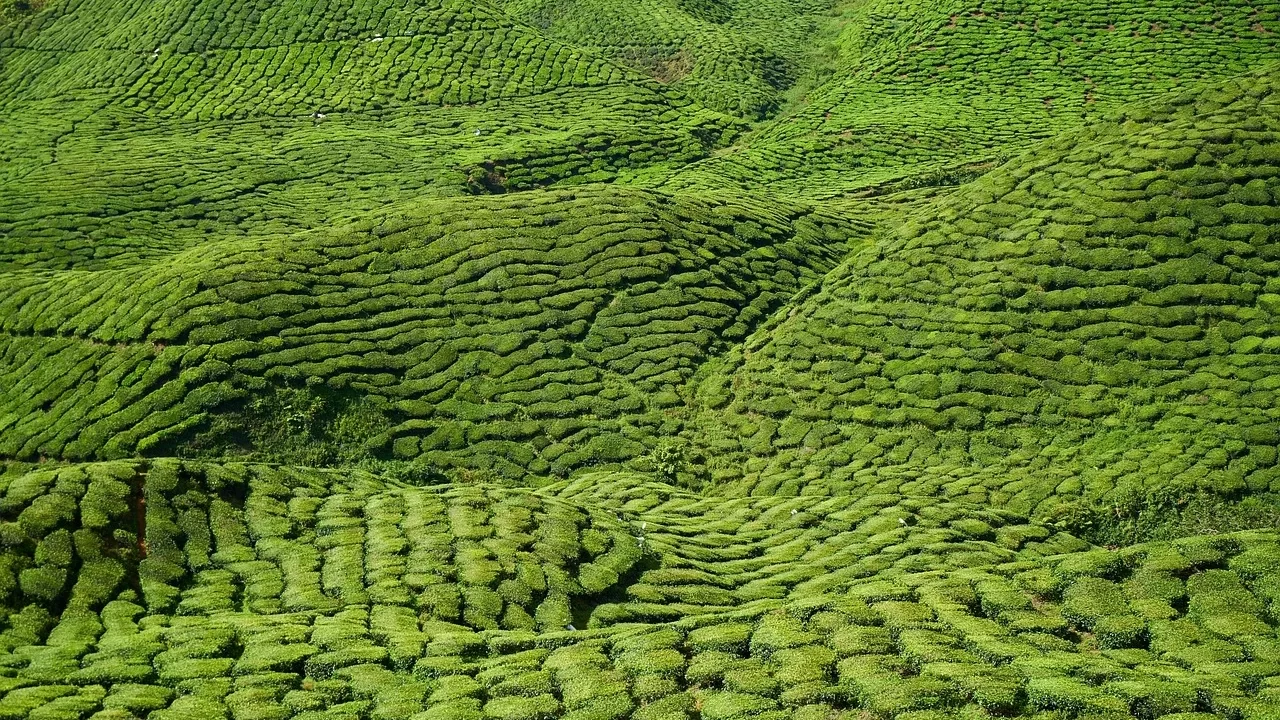
Drive up into the hills of Ilam on a clear morning and the world turns green. Row after row of tea bushes ripple over the slopes like waves, and somewhere in the mist you can hear pickers calling to each other.
Where it all began
The story starts in 1863, when tea saplings from China were planted in Ilam. Five years later, in 1868, the Ilam tea factory was set up. That makes the Ilam Tea Estate Nepal’s first, and the start of an industry that now shapes the economy and identity of the whole eastern hills.
The gardens today
Ilam sits at around 1,300 metres at the tea estate, high enough for cool nights and morning mist, which is exactly what good tea loves. Visitors come for:
- Ilam Tea Estate, where it all began.
- Kanyam, whose open, rolling gardens are perfect for an afternoon walk and endless photos.
- Antu Danda, at about 2,328 metres, for one of the most famous sunrises in Nepal.
- Mai Pokhari, a sacred lake at around 2,121 metres, listed as a Ramsar wetland of international importance since October 2008.
- Sandakpur, at about 3,636 metres, where on a clear day you can see both Everest and Kanchenjunga.
What to taste
Besides a fresh cup of tea, try tongba (warm millet brew sipped through a bamboo straw), millet pancakes, dried meat, chhurpi (hard cheese), yak ghee and buckwheat bread.
Getting there
There is no airport in Ilam yet, though one is being built at Sukilumba Danda. Most travellers fly from Kathmandu to Bhadrapur, then drive about 77 kilometres, roughly three hours, up the Mechi Highway.
Ilam is far from Kathmandu, about 700 kilometres by road. That is exactly why it feels like a secret. Go slowly, stay a few nights, and let the tea gardens do their quiet work.
Spotted a mistake? Tell us and we will fix it.