Trekking in Nepal this autumn: the rules, permits and fees you need to know
Guides are mandatory for foreign trekkers in 14 regions, solo trekkers can now get restricted-area permits, and Upper Mustang has moved to a daily fee. Here is the full picture.
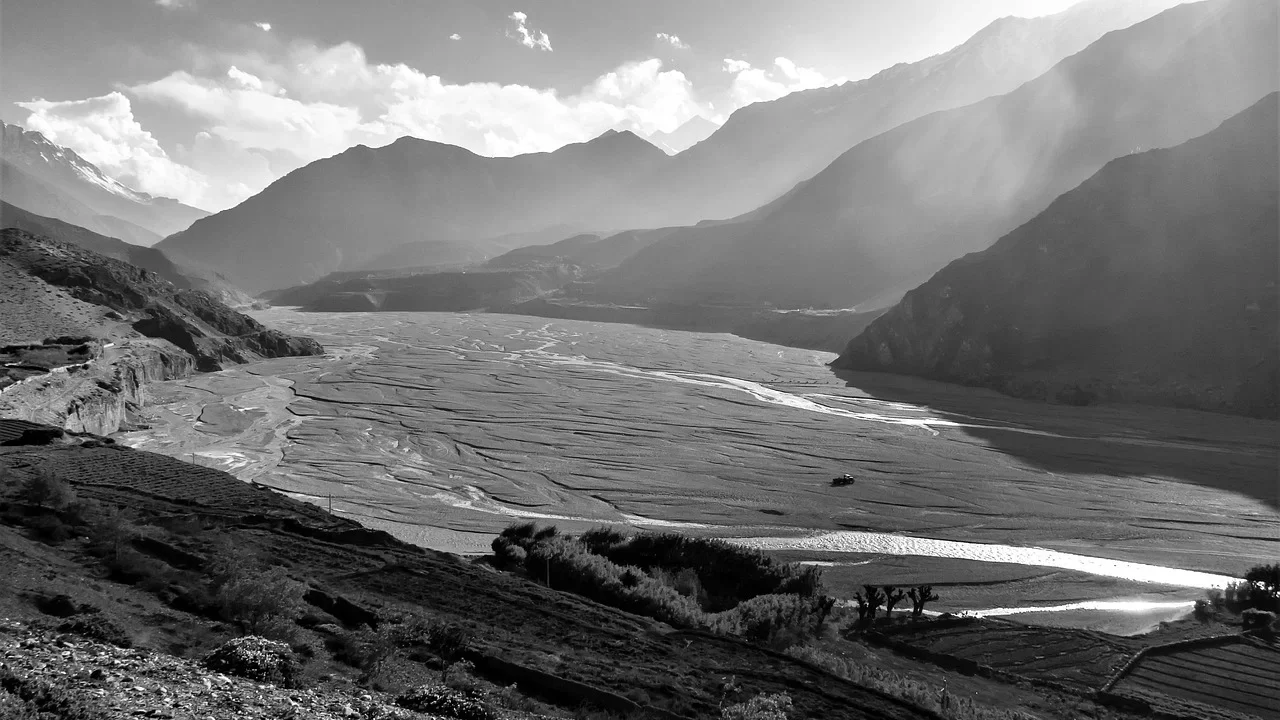
October and November are the golden months for trekking in Nepal. Clear skies, crisp mornings and mountains that look close enough to touch. Before you lace up, make sure your paperwork is as ready as your legs.
1. A licensed guide is mandatory in most regions
Since 1 April 2023, foreign trekkers must hire a licensed guide in 14 trekking regions: Kanchenjunga, Makalu Barun, Everest, Rolwaling, Panchpokhari-Bhairabkunda, Helambu, Langtang, Ganesh Himal and Ruby Valley, Manaslu, Annapurna, Mustang, Dhaulagiri, Dolpo and Humla.
Trekkers found without a guide or a TIMS card can be fined Rs 12,000 and stopped from continuing. Climbers with a climbing permit, children under 10 and people who fly in by helicopter are exempt.
The Everest exception: the local municipality in Khumbu, Khumbu Pasang Lhamu, has allowed solo trekkers and charges its own entry fee instead. Rules on the ground can change, so ask your agency or the checkpoint before you set off alone.
2. TIMS card
Under the rules introduced in April 2023, the TIMS card costs Rs 2,000 for foreign trekkers, Rs 1,000 for SAARC citizens, and is valid for 90 days. We have not seen any official change for 2026, but confirm with your agency.
3. Restricted areas: solo trekkers welcome, with a guide
Good news for independent travellers: from March 2026, the Department of Immigration allows a single trekker to get a restricted-area permit. Before, you needed at least two people. You must still apply through a registered agency, travel with a licensed guide, and groups can have up to seven trekkers per guide. You can apply online using your visa application number.
4. Upper Mustang is now priced by the day
In November 2025, the Cabinet changed the Upper Mustang permit from a flat $500 for ten days to $50 per day. That makes shorter trips much more affordable. Upper Dolpo remained at $500 for at least ten days at that time.
5. Everest region fees
The Khumbu Pasang Lhamu municipality entry fee has been Rs 3,000 for foreigners since July 2024, and Rs 2,000 for SAARC and Chinese visitors. Sagarmatha National Park charges its own entry fee as well.
6. Check routes before you book
The flash flood in Rasuwa on 26 August closed or restricted parts of Langtang, Gosainkunda, Helambu and the Tamang Heritage Trail. Late September rains also blocked several highways and the Beni to Jomsom road for days. Our Nepal Live page tracks route and road updates with the time we last checked them.
Quick checklist
- Valid visa (you can now apply for an e-Visa online)
- Licensed guide and registered agency
- TIMS card and the right park, conservation or municipality permits
- Travel insurance that covers high-altitude trekking and helicopter rescue
- A spare day or two for weather delays, especially for Lukla flights
Spotted a mistake? Tell us and we will fix it.